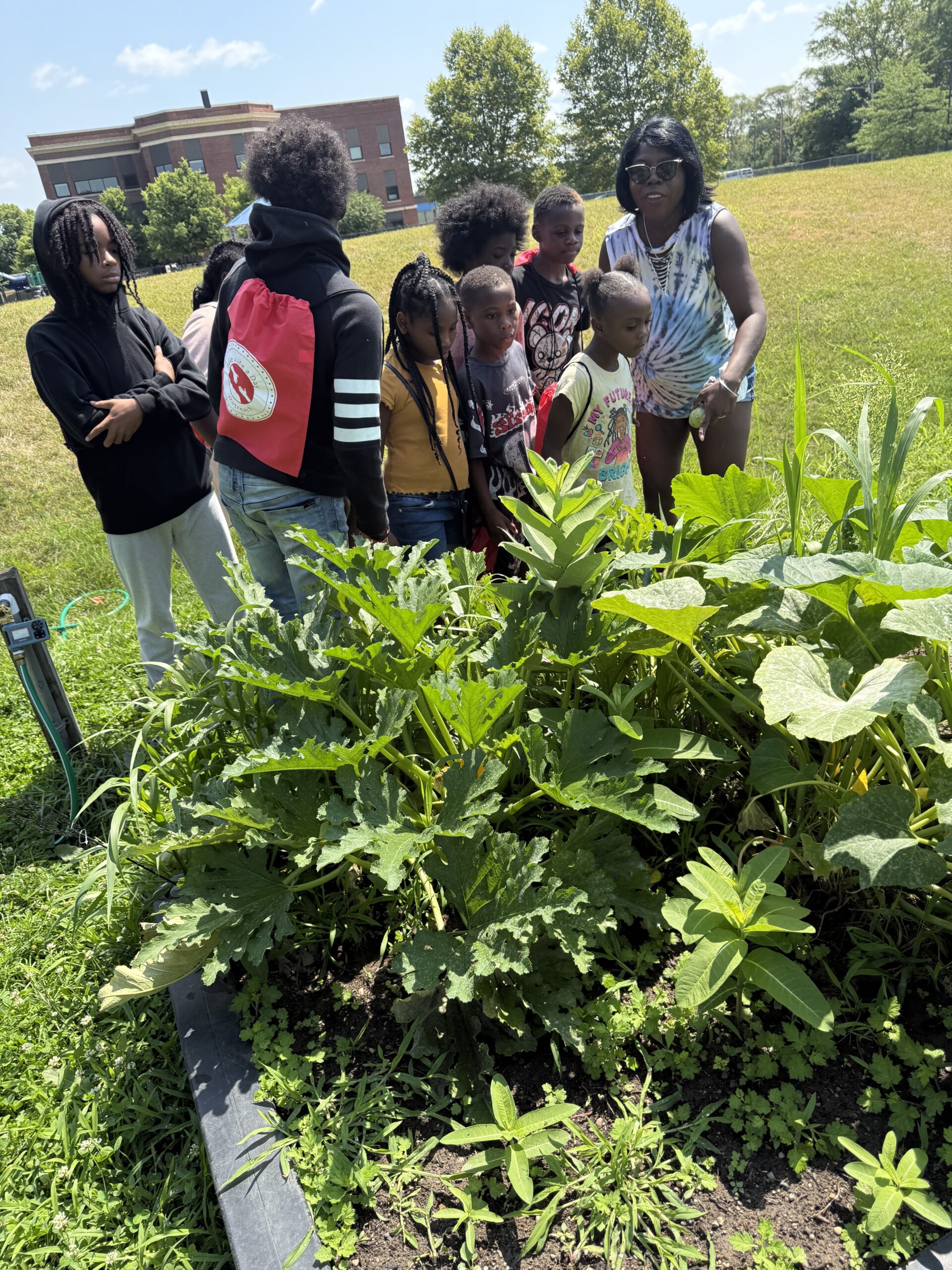
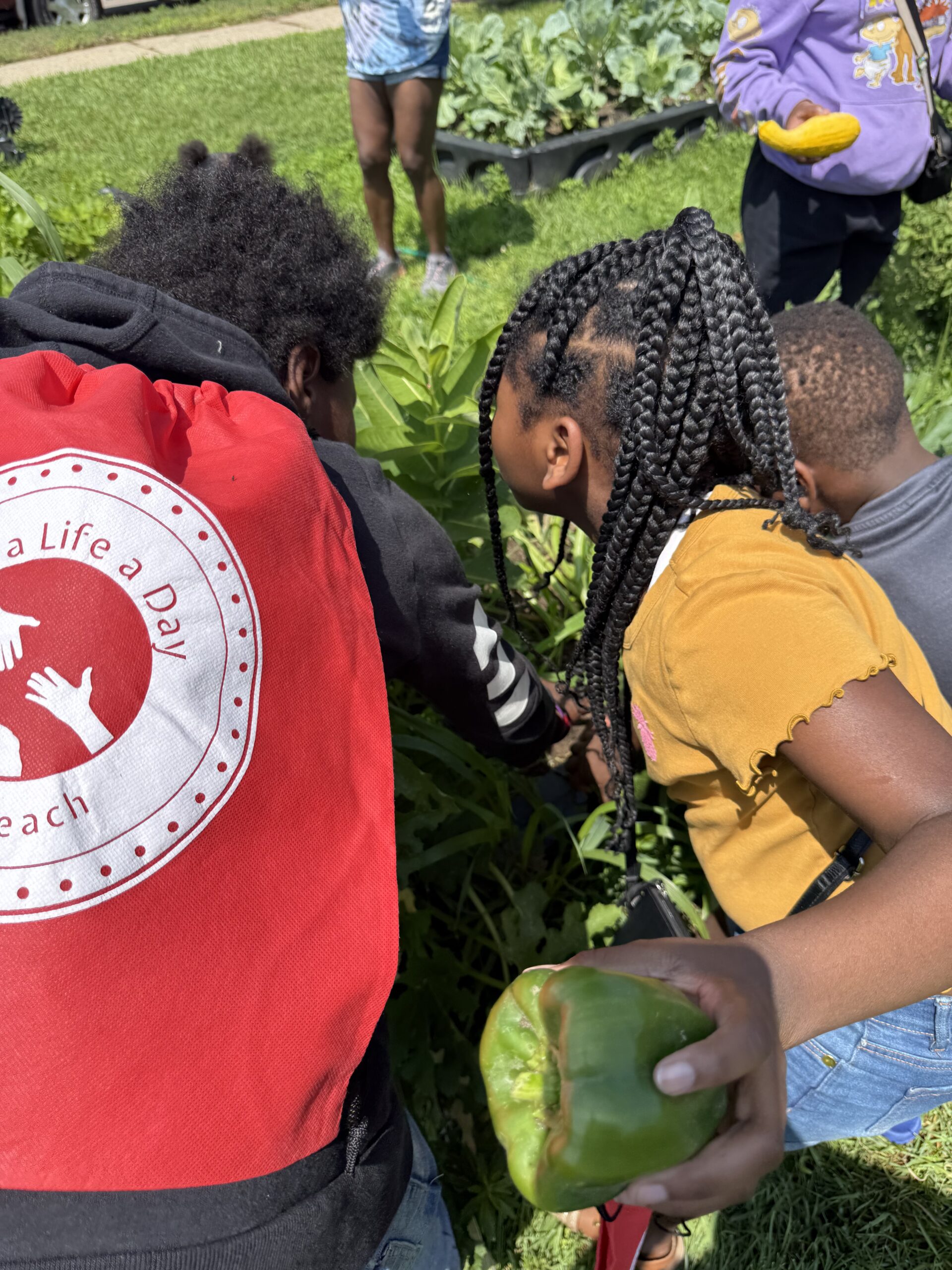
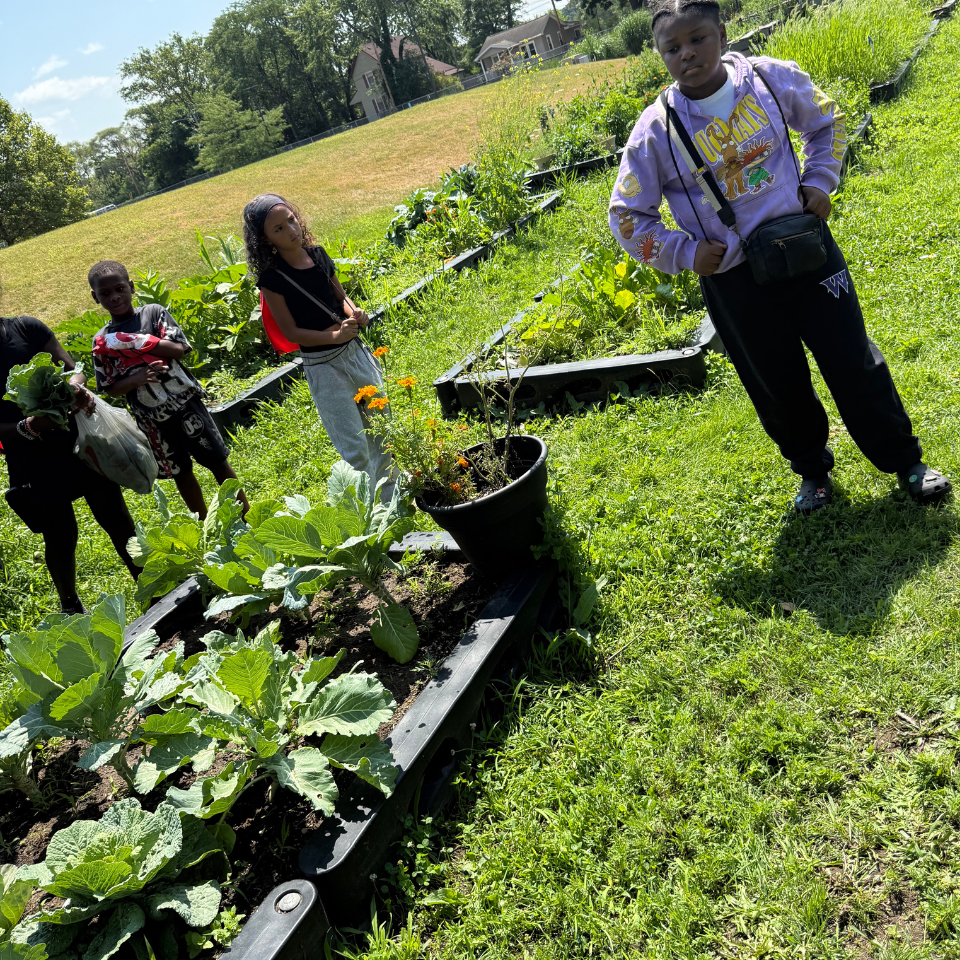
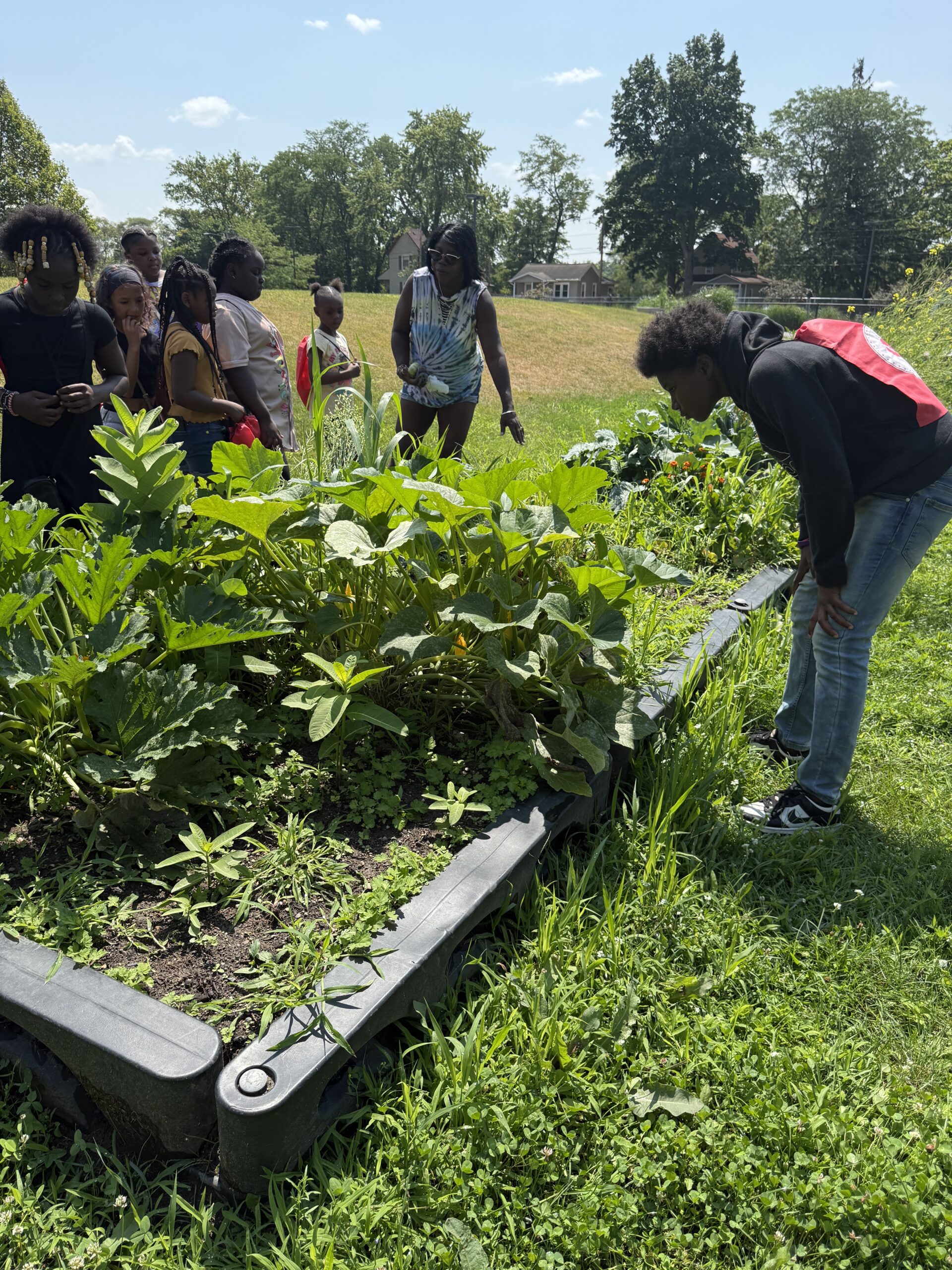
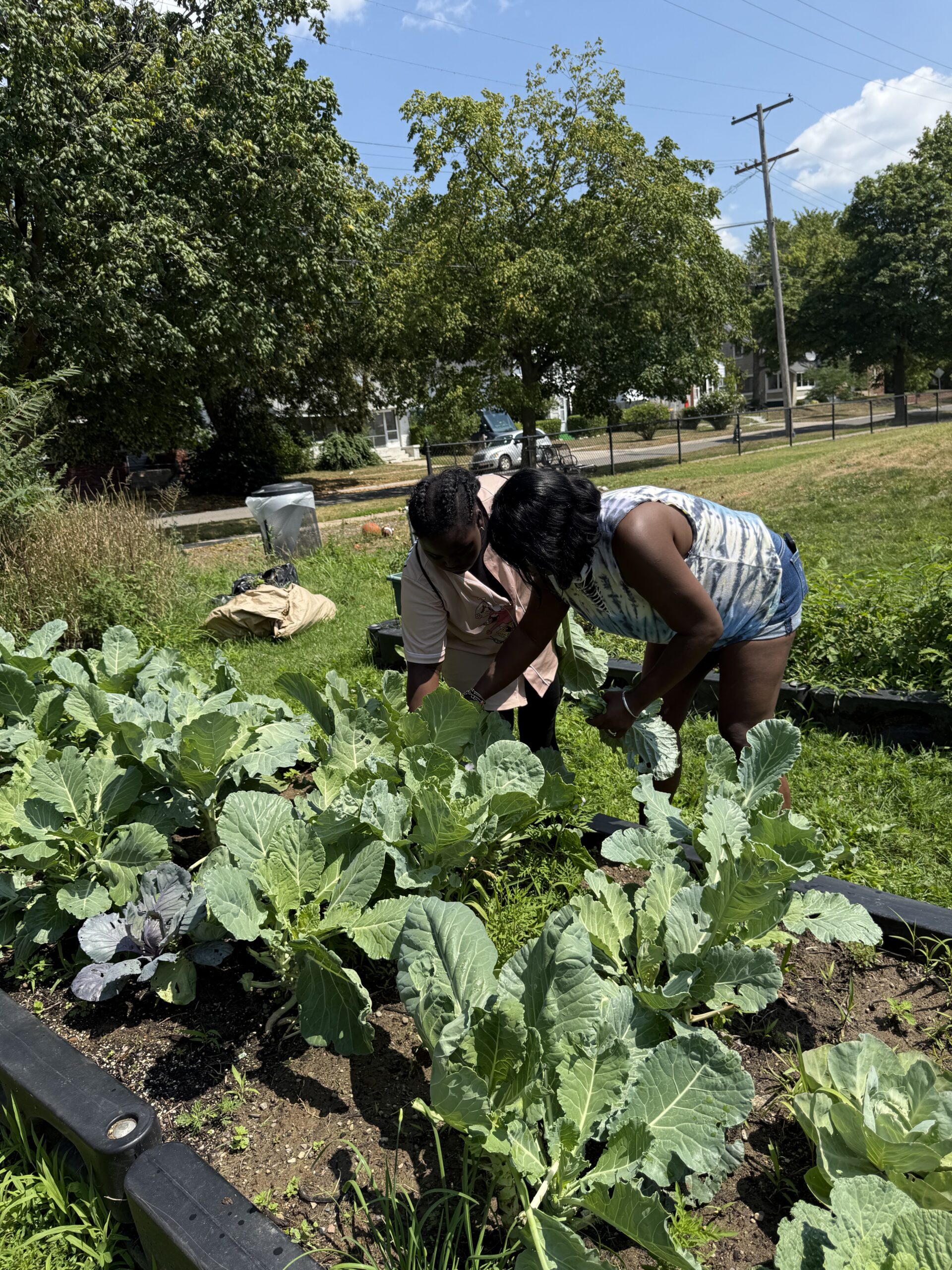
Roots Not Rage offers more than just a youth garden—it’s a movement that uses nature to disrupt cycles of violence, racism, and food apartheid.
Our program creates a peaceful space where young people can heal, grow, and lead. Every seed planted is a step toward justice, empowerment, and transformation.
Healing through Land Connection
Youth learn to manage stress, navigate trauma, and find purpose by reconnecting with the land and participating in restorative, hands-on farming practices.
Led by Youth, Guided by Purpose
Our team includes passionate mentors and peer leaders. From designing garden layouts to leading community food distributions, youth shape every aspect of the program, building leadership and community power.
Safety, Support, and Supervision
With trauma-informed staff and strong community partnerships, we create a structured environment where young people feel seen, supported, and safe to grow.
01
Healing Through the Land
Roots Not Rage is more than a garden; it's a movement rooted in healing, leadership, and reclaiming space. Through farming, advocacy, and community connection, our youth plant seeds of peace, purpose, and power in the heart of neighborhoods impacted by violence and disinvestment.
Youth decompress from trauma through intentional time in nature
Gardening becomes a tool for emotional regulation and mindfulness
Every seed planted symbolizes growth, restoration, and peace
Every project at Roots Not Rage is imagined and driven by youth. From planning gardens to leading food justice workshops, our participants become leaders who understand the systems they’re up against — and build alternatives rooted in equity.
Young people design garden layouts and lead peer workshops
Youth facilitate conversations on racism, violence, and food equity
Participants gain public speaking and leadership experience
We transform vacant lots into abundant spaces filled with fresh produce, herbs, and hope. Youth not only grow food they distribute it to neighbors, educate others, and prove that access, ownership, and change are possible.
Vacant lots are turned into vibrant urban farms
Fresh produce is distributed to neighbors facing food insecurity
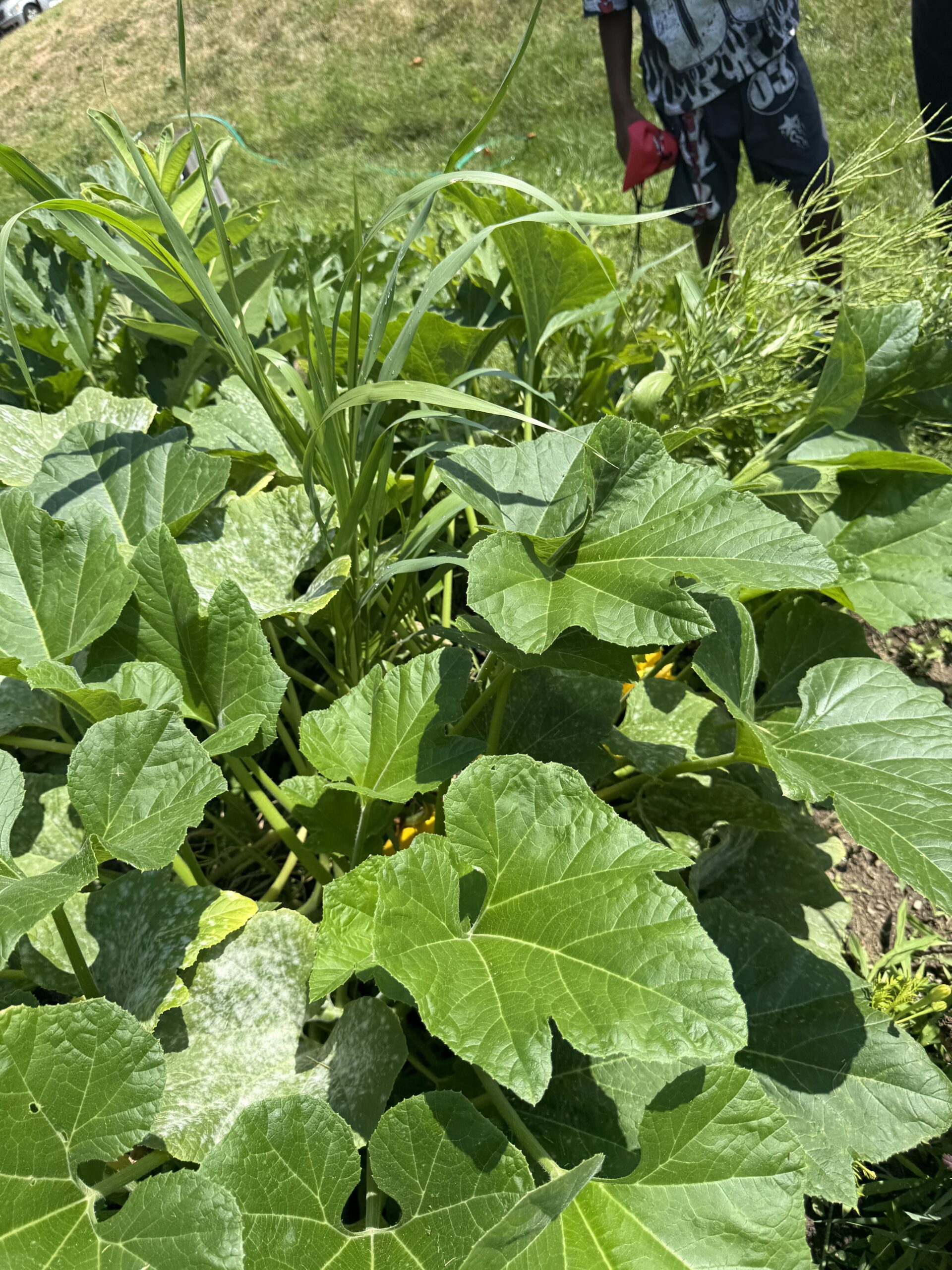
Youth learn sustainable farming, composting, and environmental care